
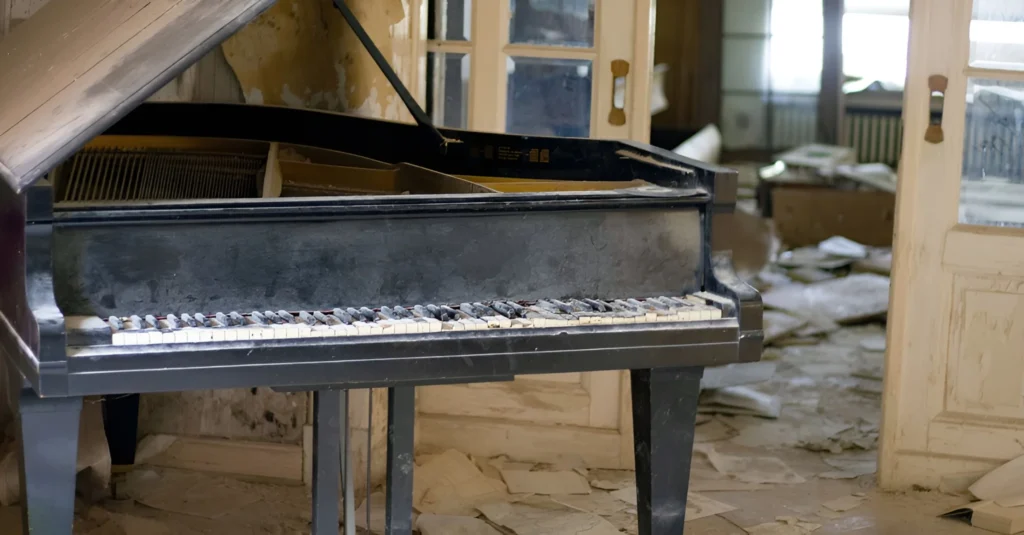
Hiring a piano removal company isn’t as straightforward as booking any other junk pickup — the wrong call can mean cracked floors, damaged walls, and a piano that goes nowhere fast. Whether you’re dealing with a dusty upright in the basement or a baby grand that needs to go before a move, knowing what to look for in a piano removal service makes all the difference. Rubbish Rescue LLC has handled piano removals across Massachusetts, navigating the tight staircases, narrow doorways, and tricky logistics that come with the territory here.
Key Piano Removal Services Insights You Need to Know
- Not all removal companies handle pianos — always confirm the crew has specific piano experience, not just general junk or furniture removal
- Upright vs. grand piano removal requires different approaches — uprights move as one unit while grand pianos are partially disassembled; pricing and crew size vary accordingly
- Stairs and access points are the biggest cost drivers — expect additional fees per step or per staircase, especially in Massachusetts triple-deckers and colonials
- Disposal isn’t always the only option — playable pianos may qualify for free pickup through donation programs, potentially earning you a tax deduction
- Always get a written estimate before work begins — reputable piano removal companies provide upfront, itemized quotes with no hidden fees
What Makes Piano Removal Different from Standard Moving Services
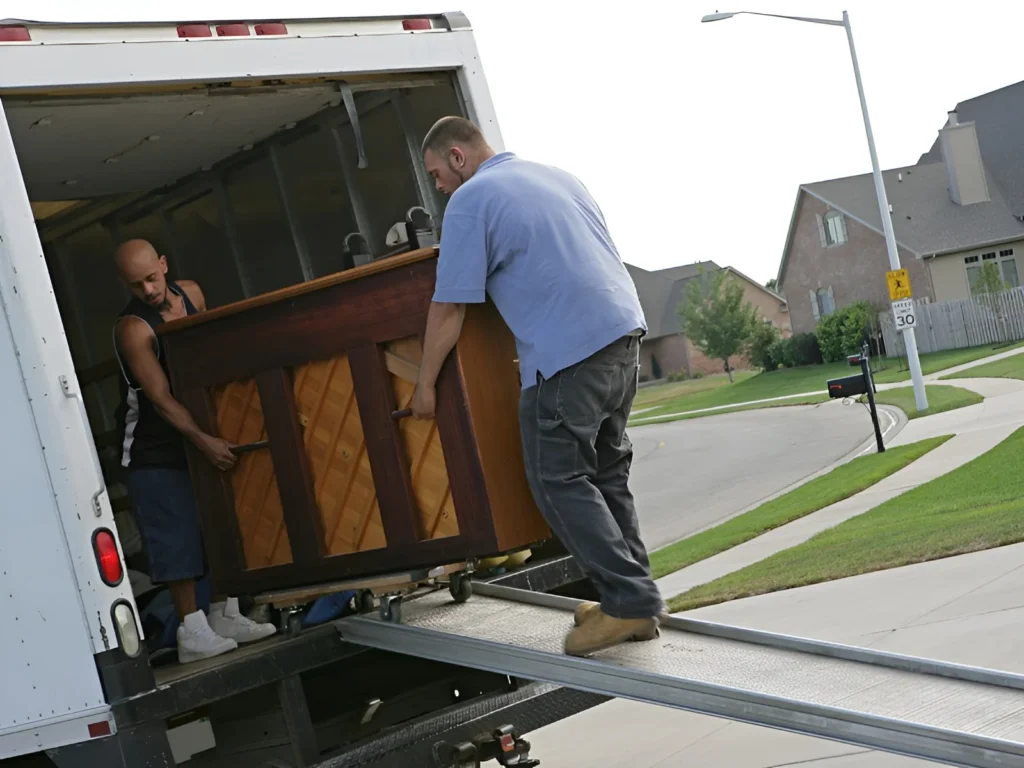
Piano removal is a category all its own. Unlike standard furniture or appliance moving, pianos combine extreme weight, an awkward center of gravity, and delicate internal components that can be damaged by even minor impacts. Moving a piano involves more than just lifting and loading — it’s a task that requires expertise, the right equipment, and careful planning.
Here in Massachusetts, older colonial homes and triple-deckers add another layer of complexity — narrow doorways, steep staircases, and tight landings are common obstacles that require specialized logistics from the very start.
Types of Pianos and Their Removal Requirements
Upright Piano Removal Challenges
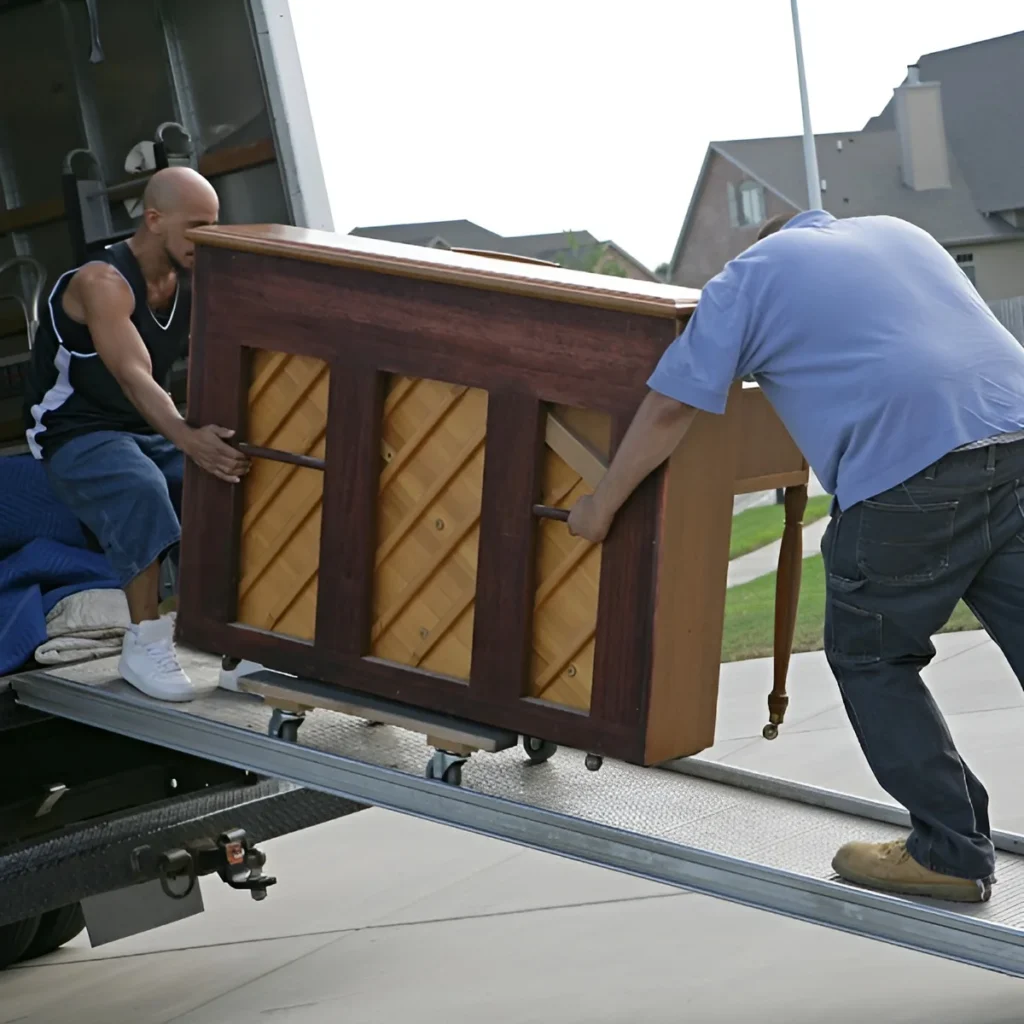
Upright pianos can weigh between 300 and 800 pounds, with larger studio models often at the higher end of this scale. While they’re moved as a single unit rather than disassembled, navigating an upright piano through tight hallways, down basement stairs, or around sharp corners still demands proper dollies, moving straps, and a trained crew. Our team assesses the full path from piano to truck before any lifting begins to protect both the instrument and your property.
Grand Piano Disposal Considerations
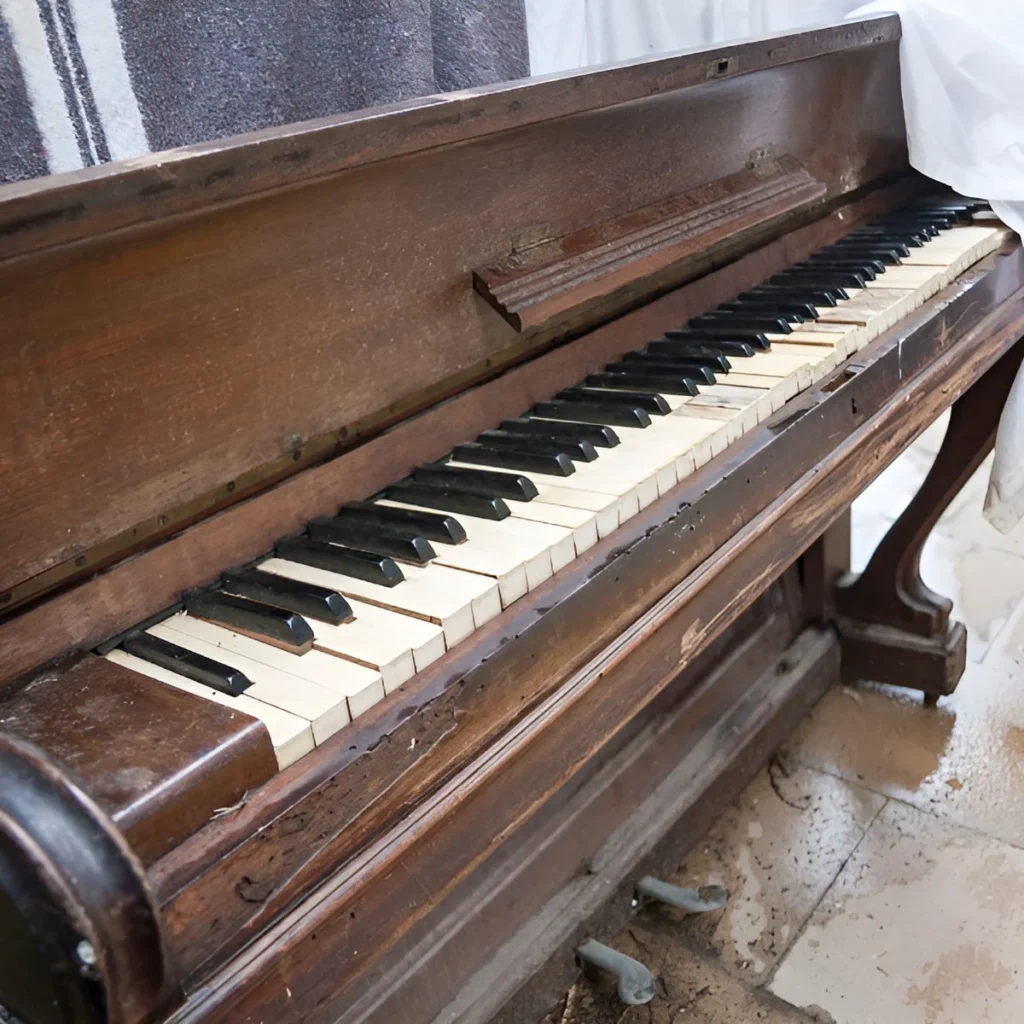
Grand pianos are the largest type and what one typically pictures when they think of a classical piano. Grand pianos demand careful attention due to their wide range in size, from 500 to over 1,000 pounds for full-sized concert grands. Because of this complexity, grand and baby grand piano removal should never be attempted by general labor or as a DIY project. We evaluate each job individually and come prepared with the proper equipment and crew size to get the job done without damage to the piano or your home.
Digital Pianos and Electric Piano Removal

Digital pianos and keyboards are typically lighter and more portable than acoustic pianos. While removal is generally simpler, electronic components still require careful handling to avoid damage during transport. Broken or outdated digital pianos can typically be integrated into a standard Junk Removal Services pickup along with other unwanted items — making it easy to clear out an entire room in a single visit.
How to Choose the Right Piano Removal Service in Massachusetts
Hiring the wrong company can mean damage to your floors, walls, or the instrument itself — not to mention liability headaches. Here’s what to look for:
- Licensing and insurance: Any reputable piano removal company in Massachusetts should carry full liability coverage. Choose insured, bonded companies with more than five years of experience.
- Ask the right questions: Discuss the piano’s location, size, stair count, and doorway dimensions before anyone shows up. Discuss the location, piano size, stairs, and door sizes before the job begins. Get a detailed estimate and contract in writing before any work begins.
- Red flags to avoid: Avoid companies with the lowest quotes, as quality may suffer. Don’t pay in full up front.
- Get a free estimate: Pricing varies significantly by job complexity, so always get a quote before committing.
Visit our Services page to see the full range of solutions we offer — from heavy item removal to comprehensive estate cleanouts.
Piano Moving Cost Factors and Pricing Structure
Most homeowners can expect to pay between $150 and $500+ for professional piano removal. That range is wide because the final price depends on multiple variables unique to each job.
Key cost drivers include:
- Piano type and size: An upright piano on a ground floor with clear access will fall on the lower end, while a grand piano on an upper story or in a tight space will naturally cost more.
- Stairs and accessibility: Transporting a piano down stairs costs $5 to $10 per step or $40 to $100 per staircase.
- Distance: Long-distance piano moving costs more than a local move because the moving company needs to account for driver time and fuel in addition to the actual moving costs.
- Rush jobs: Rush jobs can cost $300 to $700 extra.
We provide transparent, upfront pricing with no hidden fees — so you know exactly what to expect before the job begins.
Piano Disposal vs. Donation: Exploring Your Options
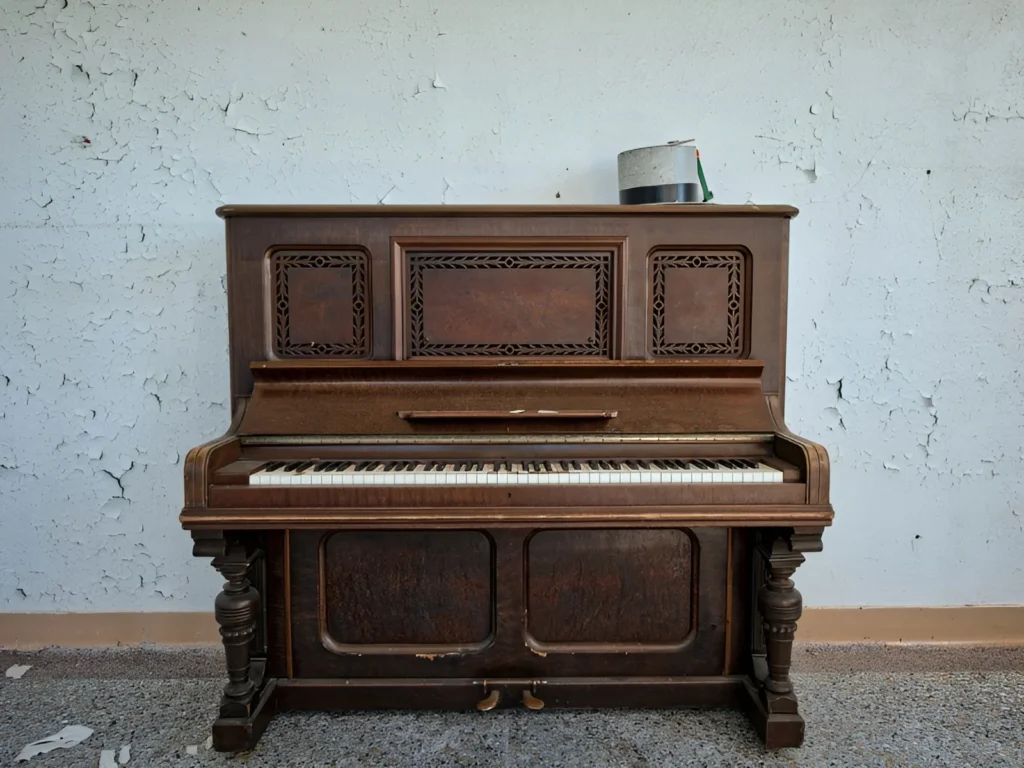
Before scheduling a disposal, it’s worth asking whether your piano could go to a new home instead. If your piano is still playable, donation is often the better path — and the right recipient may be closer than you think.
Common donation and disposal options include:
- Schools and community programs — local Massachusetts schools and music nonprofits are frequent recipients of playable instruments
- Charitable organizations — groups like the Beethoven Foundation and Pianos for Education connect donors with nonprofits nationwide
- Responsible disposal — for pianos too damaged to donate, pianos can be recycled, but local laws determine the details of the process and where the piano should be taken
Our Donation Services team coordinates directly with local Massachusetts charities and nonprofits — handling the logistics so your piano ends up where it can do the most good, and we handle proper disposal in compliance with Massachusetts guidelines so nothing ends up where it shouldn’t.
Why Heavy Item Removal Requires Professional Expertise

The internet is full of DIY piano removal horror stories — dropped instruments, cracked hardwood floors, damaged door frames, and injured backs. Moving a piano by yourself is not entirely possible — you’ll need approximately 3–6 people, depending on the piano.
Here’s what a trained piano removal crew protects you from:
- Floor and wall damage — pianos shift unpredictably under load; without proper dollies and padding, hardwood floors and door frames are the first casualties
- Structural harm to the instrument — improper angles and unsupported lifts can crack soundboards, snap legs, and damage internal components beyond repair
- Personal injury — an improperly handled piano can shift suddenly, putting untrained helpers at serious risk of back injuries or worse
- Liability exposure — if a helper is hurt or property is damaged during a DIY attempt, you may be personally responsible for the costs
Our fully insured team takes on that liability so you don’t have to, and we treat every home we work in with the same care and respect we’d give our own.
Trust Rubbish Rescue for Professional Piano Removal in Massachusetts
When it’s time to remove a piano from your Massachusetts home, you deserve a team that shows up prepared, handles the job with care, and leaves your space clean. Our licensed and insured crew brings the right equipment and expertise for every piano type
📞 Call or contact us today to get started.
- Phone: (508) 341-2581 for immediate assistance
- Online: Request a free estimate through our contact form
- Email: rubbishrescuema@gmail.com for detailed inquiries
Frequently Asked Questions About Piano Removal Companies
How much should it cost to remove a piano?
The national average cost to remove a piano is around $250–$550. The low-end cost for piano removal typically starts at $150 and is likely reserved for the easiest of piano removal jobs in areas with a low cost of living. In Central Massachusetts, call Rubbish Rescue for a free estimate on removing your piano from your home or business.
Who takes old pianos for free?
The Magic Music Foundation accepts donations of pianos and other instruments so that it can match the instruments with worthy students, teachers, and organizations in need. Local Massachusetts schools, community music programs, senior centers, and nonprofits are also common recipients for playable pianos.
Will anyone pick up a piano for free?
Free piano pickup is sometimes available when the instrument is in good, playable condition and a local organization has a need for it. Many of these programs will pick up your piano for free if it meets their requirements. Make sure that you are honest in your evaluation, though, because many companies will charge you for their trip if they arrive and find they are unable to accept your donation. If your piano doesn’t qualify for free pickup, standard removal fees apply — and we’ll always provide an accurate quote before the job begins.